Wednesday, 6 April 2022

Mommy makeover: Recover your figure after pregnancy

Much is being heard lately about the "mommy makeover", a trend that translated into our language comes to mean the "renewal, new look or remodeling of the mother".

We are really talking about postpartum cosmetic surgery.

What physical changes occur during pregnancy?

And it is that everyone knows that motherhood entails physical and bodily changes that are sometimes undesirable:

·        the skin of the abdomen stretches and becomes saggy,

·        fat accumulates in the waist, cartridge belts, etc.,

·        the breasts lose their firmness, fall and lose their fullness, appearing empty, without turgidity...

The breasts during pregnancy and lactation undergo a series of changes aimed at the production of milk and are generally a remarkable development of the mammary gland, with an overall increase in size. Later that same gland atrophies by not having to perform that secretory function. As a consequence, there is a loss of volume in general, loss of firmness and "ptosis" or sagging of the breasts.

The abdomen, for its part, stretches to accommodate the baby, in such a way that its skin firmness is lost.

The abdominal muscles also undergo changes, just as the skin stretches, so do the abdominal muscles. A typical alteration of pregnancy is that the rectus abdominis muscles (those responsible for the so-called six-pack or chocolate bar) separate from the midline, maintaining this separation after delivery, which is called "diastasis recti", and which causes an abdominal protrusion, a kind of tummy in the central area of ​​the abdomen, which occurs even in thin patients with good muscle tone.

These physical changes are sometimes difficult to fit into the framework of the demanding society in which we live today, where physical appearance, health, being "fit" or in good physical shape, have become some of the most important concerns. relevant to the population.

All these factors together mean that many moms, after having fulfilled their dream of being mothers, do not want to give up their previous physical appearance.

What is the Mommy Makeover?

The "mommy makeover" consists of a set of plastic and aesthetic surgery procedures, whose purpose is to return the mother to her previous appearance or alleviate the secondary body changes to the pregnancy process.

In the first place, a medical evaluation of the patient must be made, since in each one of them the needs will be different and the treatment must be individualized.


What are the surgeries used to improve the figure after childbirth?

The procedures that are usually included in the "mommy makeover" are abdominoplasty, repair of diastasis of the abdominal muscles, mammoplasty, and sometimes liposuction of certain lipid accumulations.

·        Abdominoplasty: The purpose of tummy tuck in Delhi is to restore firmness to the abdomen, eliminating excess skin and adipose tissue, as well as repairing the "diastasis" or separation of the rectus and restoring structure and function to these muscles.

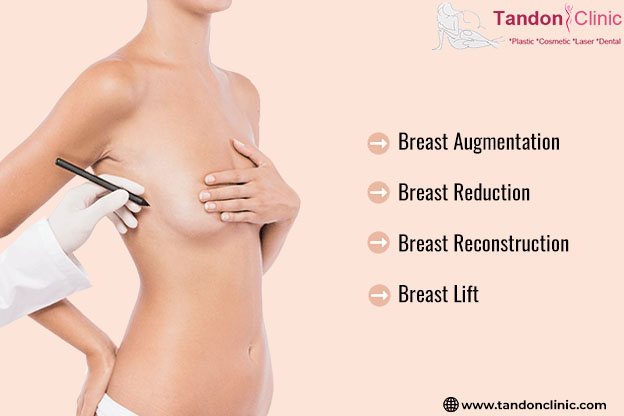
·        The mammoplasty technique differs according to the characteristics of the patient: sometimes, breast augmentation in Delhi is needed, which have become atrophic after pregnancy, usually with prostheses; other patients will require a breast reduction in Delhi to reshape and reduce the size of their breast, and finally, one of the most demanded breast surgeries after pregnancy: mastopexy or "breast lift surgery in Delhi", in which the breast is reshaped, getting it back its shape and position by lifting and reshaping it. This last technique is frequently carried out with the help of breast prostheses.

·        Finally, liposuction or liposculpture surgery varies depending on each patient and the possible accumulations of fat that may have developed during pregnancy and/or lactation. Liposuction in Delhi is a simple and optimal technique to treat accumulations of fat in a specific way. mentioned fat.

When is it advisable to undergo these procedures?

Despite the fact that news can be found in the press in which it is commented that there are certain procedures such as abdominoplasty that are performed in the same act of childbirth, specifically if it is a cesarean delivery, for best plastic surgeon in Delhi this is reckless for several reasons:

·        Increases the risk of postpartum complications.

·        The surgeries that make up the "mommy makeover" require rest and a series of strict care afterwards, and postpartum is probably not the best time to follow these recommendations, due to the new situation of the mother, who will have to direct her care and attention to the newborn.

·        In the postpartum there is a regression of the anatomical and physiological changes produced in pregnancy, with a progressive recovery of the tissues, for this reason the most reasonable thing is to wait a while for all the tissues to return to normality, on multiple occasions it will not be necessary to intervene in the patient.

Plastic surgeon in Delhi recommends undergoing these surgeries once the period of conception of the children is over, and at least 1 year after the last pregnancy, to perform the surgery in physical conditions of stability, both physical and psychological.

If you want information about this procedure, do not hesitate to contact plastic surgeon in Rohini.

Wednesday, 30 March 2022

Types of Breast Surgery and Advantages

What types of breast operations are there?

There are two aesthetic procedures that help improve the appearance of the chest: breast augmentation and mastopexy, which enhances its shape. Both can also be combined to achieve the results of both in a single intervention, explains the Plastic Surgeon in Delhi.

In this way, you can choose to:

  • get the size we want
  • correct sagging breasts
  • increase the size and raise the breasts, together

In short, it is about achieving the chest that suits the needs of each person.

What are these techniques? What advantages do they have? How is the postoperative? Plastic Surgeon in Delhi will tell you everything you need to know about this aesthetic treatment.

Types of breast surgeries and their benefits

There are several aesthetic treatments focused on the appearance of the breasts:

Breast Augmentation

Breast augmentation in Delhi is the queen operation and the most performed in the world. It consists of placing a silicone implant in order to increase the volume of the breast. Regardless of the scar we leave, a breast enlargement in Delhi will always create a pocket to house the prosthesis. This pocket can be in front (subfascial) or behind the pectoralis muscle, says the Plastic Surgeon in Rohini.

Depending on the approach route used, we have three types of breast augmentation in Delhi:

Breast augmentation with axillary scar

It is our favorite because the scar is completely hidden in the hollow of the armpit. You have to fully raise your arm so that it can be seen and in the long term it is negligible and will look like a normal armpit fold.

It is true that at first the scar pulls a little but with stretching it will resolve in 3 or 4 weeks. Sometimes it can become pigmented and require additional laser treatments, explains the Plastic Surgeon in Rohini.

Breast augmentation with submammary scar

The scar will be hidden in the submammary fold, so that the volume itself and the natural fall of the breast will hide it.

As with the axillary route, we do not touch the gland since in both cases we reach the pectoralis major muscle behind the breast tissue, says the Plastic Surgeon in Pitampura.

The approach through the inframammary fold is very popular. It is usually a good scar although occasionally a hypertrophic or keloid scar can form. If the implant is removed in the future, the breast will return to its original site and the scar will be one two centimeters lower than the submammary fold, leaving it exposed, explains the Plastic Surgeon in Pitampura.

Breast augmentation with areolar scar

The scar is just on the edge of the areola, in the lower half. Normally it leaves a very minimal scar that can also be micropigmented and hidden after a year, says the Plastic Surgeon in Shalimar Bagh.

Nor can it be done if the areola is very small.

The areolar route is especially indicated in cases such as tuberous breasts, in which the areola is usually large and must be reduced, says the Plastic Surgeon in Shalimar Bagh.

Mastopexy

In sagging breasts, it is necessary to remove skin and that is when a mastopexy or Breast Lift Surgery in Delhi is indicated. In this case, the continent (the skin) and the content (the mammary gland) must be worked on. Depending on how sagging the breast is and the excess skin, Plastic Surgeon in Delhi will need a cut only around the areola (periareolar), vertical (around the areola and from the areola to the fold) or T-shaped (the former plus a scar in the submammary fold). Regarding volume, we can use a breast implant in Delhi if there is not enough breast tissue. Or the tissue itself together with grafts of its own fat, if there is a breast to do it, says the cosmetic surgeon in Pitampura.

Breast asymmetries

Although in 80% of women both breasts are not the same, in some cases this difference is greater. Breast asymmetry surgery combines various techniques (breast augmentation with breast implant in Delhi, mastopexy, breast augmentation in Delhi with own fat, breast reduction in Delhi) to solve it.

Breast reduction surgery in Delhi

Through various techniques that usually leave a T-shaped or vertical scar, the breast is reduced. Excess tissue is removed and the breast is reshaped to leave it with the right size and in its correct position, says the cosmetic surgeon in Delhi.

What is the postoperative care?

It is not extraordinarily difficult. The first 2 or 3 days are usually the most uncomfortable and that is when we will need the most analgesia. After 4-5 days we stop driving and many patients can go back to work, unless their work is very physical.

After 48 hours it is possible to shower. You have to wear a sports bra all day and night as it is what helps the scar implant in its correct position.

You cannot do physical exercise during the first month, suggests the Plastic Surgeon in Shalimar Bagh.

Caring for a scar after breast augmentation surgery

Until we remove the stitches after 10 days, we just have to keep the wound clean. You can shower (not bath) and apply a little antiseptic. The wounds are then covered with protective gauze.

Once the stitches have been removed, a scar cream can be used. The main objective of these creams is the hydration of the scar, in addition to the anti-inflammatory properties of its components.

Silicone gels or silicone patches are indicated to avoid and prevent the formation of keloid scars. They don’t always have to be used. You have to wait until the scar is formed because if there are stitches, the wound can open. Once they begin to be used, they must be worn 24 hours a day for 3 to 4 months. It is advisable to wait to put them on until the Plastic Surgeon in Delhi tells you to.

On the other hand, the scar should be protected from the sun during the first few months. The risk of not doing so is hyperpigmentation, which is very difficult to treat. Therefore, high protection creams (total screen) must be used.

The scars usually take between a year and a year and a half to whiten. So, you have to have patience and persistence in its care, keeping it hydrated, suggests the Plastic Surgeon in Pitampura.

Monday, 20 December 2021

Frequently asked questions about abdominoplasty

Throughout this post we will try to solve the most frequent questions about abdominoplasty in Delhi that are usually asked in the consultation.

All these issues and others that we have should always be discussed before this plastic surgery.

How long does the surgery take?

Approximately two to three hours.

It should be remembered that between the departure to the OT and the return should not be taken as the duration of the surgery.

Therefore, what is the surgical procedure is this that we indicate. It can take longer if combined with other procedures.

Can you use an epidural?

Abdominoplasty is usually done with general anesthesia, although in moderate cases it could be done if circumstances allow it with local anesthesia and sedation.

Being a long procedure, plastic surgeon in Delhi recommend general anesthesia for both our comfort and that of the patient.

Are tummy tucks and liposuction the same?

The tummy tuck in Delhi is intended to correct a loose abdomen. This is the main objective, so a specific technique is used for it.

Sometimes it happens that in addition to flaccidity there is excess fat. And that is when you have to resort to liposuction.

This is only used to eliminate excess fat, and is not only practiced on the gut. It is also used in other parts of the body such as double chin, arms or cartridge belts.

Abdominoplasty in Delhi is the intervention that is performed when there is excess skin and fat in the abdomen. A liposuction would aggravate the loss of redundant skin over the pubis. The skin tone, the amount of fat and the quality of the skin will make us recommend one or another intervention.

How is excess skin removed? Will the scar be visible?

There are different techniques and this influences the scar. The most common is a horizontal line that passes over the pubic hair, and extends from one hip to the other. This shape has been widely used with the use of the bikini, but currently we use a W-shape, which is better adapted to the current fashion of underwear and swimsuits, and leaves a better scar.

When the excess of tissues is great, the removal of the skin of the lower abdomen is total, in this case a reimplantation of the navel is carried out.

In cases where the defect is not very marked, a lesser technique can be performed, called miniabdominoplasty, with less skin resection and generally combined with liposuction in Delhi. The application of one or the other depends on the characteristics of each particular case.

If you have scars on the abdomen, can you have surgery?

If you have scars from previous operations and they are in the lower half of the belly there is no problem, in fact they can be removed during the operation. However, if they are located in the upper half then abdominoplasty is contraindicated.


What risks does it have?

When it comes to surgery, the risks exist. Bleeding, infection, and poor healing are some of the negative effects that can occur.

Occasionally, seromas appear or a small piece of skin is lost at the incision line. Very rarely, patients experience abdominal pain that lasts longer than the usual period. In other rare cases, blood clots form in the patient's legs.

Remember that this information is intended to help you make an informed decision.

Before surgery, plastic surgeon will indicate the complete series of risks. Although tummy tuck is considered a very safe procedure, all decisions regarding this surgery must be made carefully.

If you want to get pregnant again, can you have a tummy tuck?

It is advisable that if you plan to have new pregnancies, you do so before surgery.

Anyway, once operated, you can have more children although the result of the intervention may be altered.

What requirements must the patient meet?

Most people who have become obese and then lost weight often have a residue of skin and fat left on the abdomen.

Fortunately, this condition can be corrected with a tummy tuck, which is a procedure that removes not only excess skin from the abdomen. But also that of the flanks, on the sides of the waist, and excess skin in the lower part of the abdomen.

Abdominoplasty is often recommended by plastic surgeon in Rohini after pregnancy, too. And in those people who for various reasons have a flaccid area and want to improve it.

What effect does tobacco have on the result?

Due to the great extension of the detachment and the dimensions of the area that is normally practiced in this type of intervention. It is important that smoking patients stop smoking at least three weeks before the operation.

The reason for this is that tobacco causes an alteration of the microcirculation that can seriously compromise the final result.

Will I be able to do sit-ups again?

One month after the surgery, you will be able to recover normal physical activity. The incorporation of abdominals should be gradual, like that of any other exercise.

Do lax or open abdominal muscles have a solution?

One of the muscular bands of the body is the so-called “rectus abdominis”. Which is the area that allows us to carry out movements such as the so-called “abdominals”.

Made up of two parts, these muscles are attached from the sternal bone and ribs to the pubic bone, forming an internal system that firmly supports the abdomen.

During pregnancy, these muscles separate to allow the baby to grow. After birth, these muscles often remain separated. Making it impossible to firm the lower abdomen with exercise, diet, or other non-surgical means.

With abdominoplasty, this condition, called diastasis recti abdominis, is treated by bringing the muscles back together and restoring their strength and tone.

Is the scar from the abdominoplasty or dermolipectomy large?

The scar from a tummy tuck depends on the patient, the problem to be treated, the technique used and the quality of the skin.

The scar that remains will always be hidden by the clothing or swimsuit chosen.

Will I have a lot of pain?

During the first days, the abdomen is swollen and you will have some discomfort that is controlled with medication and rest.

You will also have a limitation of mobility, which will be prolonged in time. According to the magnitude of the muscular reinforcement and to each patient in particular.

Does a tummy tuck remove stretch marks?

Stretch marks represent a big problem for many patients.

Depending on the distribution of the marks across the abdominal skin, most if not all of them can be removed during a tummy tuck.

This is because the skin of the lower abdomen (the exact place where stretch marks tend to concentrate) is removed during the procedure.

Tuesday, 30 November 2021

Liposuction - Fat Removal Procedure

What is Liposuction

The liposuction in Delhi is a surgical technique that removes deposits of subcutaneous fat excess. To reshape and improve the aesthetics of the body.

Liposuction is a procedure to perform on the areas of the body most prone to the accumulation of fat pads. Such as buttocks, abdomen, hips, thighs and knees.

This intervention is not a simple and fast method to lose weight. But a real surgical intervention, useful for eliminating localized adiposity. Such as resistant to the lipolytic action of diet, physical exercise and any cosmetic and aesthetic medicine interventions (eg mesotherapy).

Liposuction Surgical procedure: the traditional technique (dry liposuction) involves the insertion into the subcutaneous tissue of a thin cannula connected to a suction device which, through appropriate maneuvers by the best plastic surgeon in Delhi, shatters the fat pads (composed of adipocytes, blood, lymph, amorphous substance and other cells). Once the desired result has been achieved, the treated area is bandaged to promote tissue remodeling.

Anesthesia: most liposuction procedures are performed under general anesthesia; the administration of a local anesthetic is sufficient only when liposuction is performed on small areas of the body.

Duration of the procedure: one to 4 hours, depending on how much fat is removed, the removal technique and the number of sites subjected to liposuction.

Post-operative discomfort: variable, mild to moderate, controlled with pain relievers.

Final results: fully appreciable after 4 months (when the postoperative swelling disappears) / one year.

Duration of results: they can be long lasting if the patient maintains a healthy lifestyle, adopting a balanced diet and exercising regularly.


Liposuction techniques

Dry liposuction

In (traditional) dry liposuction the surgeon makes incisions of a few mm, through which the suction cannula is inserted, then quickly manipulated back and forth. 

This vibration, exerted manually, allows the plastic surgeon in Delhi to separate and remove a few kilograms of excess fat and reshape the body contours with precision, particularly on smaller areas, such as the arms, knees or ankles.

Over time, this basic procedure has been progressively refined.

Tumescent liposuction

Developed by plastic surgeons in the 1980s, it continues to be the primary liposuction technique used. The tumescent technique is considered safer than other procedures, as it minimizes blood loss. 

Typically, it is performed under local anesthesia and involves infiltrating adipose tissue with large volumes of a sterile solution containing anesthetic (up to three times the volume of fat to be removed).

The anesthetic mixture (also called Klein solution) contains:

  • Lidocaine, a local anesthetic for pain relief;
  • Epinephrine, a drug that causes blood vessels to constrict. This temporary vasoconstriction reduces any blood loss;
  • Saline solution, to allow easier removal of fat.

Klein's solution is intended to make adipose tissue tumescent (i.e., it causes fat to swell), making cannula aspiration easier and more controlled. 

Although it tends to take longer than other techniques - from 30 minutes (chin and knee) to 4-5 hours (for most affected areas) - tumescent liposuction has the advantage of reducing the risk of bleeding during surgery and post-operative swelling, bruising and pain.

Super moist liposuction

This technique is similar to tumescent liposuction, with the exception that it uses less anesthetic fluid: the surgeon injects a volume of solution equal to the amount of fat to be removed. Although a small amount of lidocaine is sometimes added to the liquid, this technique often requires general or epidural anesthesia. The procedure takes one to two hours to complete.

Ultrasound Assisted Liposuction (UAL)

The UAL technique uses a particular suction cannula, which vibrates very quickly and emits ultrasounds. Sometimes, this procedure is used in conjunction with tumescent liposuction.

During ultrasound-assisted liposuction, the plastic surgeon in Shalimar Bagh uses a particular device above or below the skin, which emits ultrasound energy and breaks down the walls of fat cells, forming an emulsion. The liquefied fat is then removed. Ultrasound-assisted liposuction takes longer than other methods, but is more precise and tends to be more effective at removing fat from fibrous areas of the body (such as the male breast.).

The downside is that it generates a lot of heat, and if the ultrasound cannula is not removed quickly enough, it can cause burns. Laser Assisted Liposuction (LAL) is also based on similar principles to UAL.

Power-assisted liposuction (PAL)

In power-assisted liposuction (PAL), on the other hand, plastic surgeons have a special cannula at their disposal, which uses vibrations to break up fat cells so that they can be aspirated.

The cannula moves back and forth at very rapid speed over a distance of 3-5 millimeters. 

PAL allows you to remove more fat in a short period of time (approximately 40% more fat per minute than manual liposuction), which means the procedure takes less time to perform, providing consistent results and fast recovery.

Risks and Complications

All surgical procedures carry some risk.

Liposuction in Delhi is generally a safe procedure and any side effects are minimized, especially if extremely lengthy procedures or excessive removal of fatty tissue are avoided. 

The possibility of a complication increases if the plastic surgeon in Delhi has to operate on very large surfaces of the body or if multiple procedures are planned during the same operation.

Before undergoing liposuction in Delhi, it is important to weigh the risks and benefits, understanding their limitations and possible complications.

Side effects, unlike complications, are temporary and minor unwanted occurrences, although they can be annoying and painful:

  • Pain, swelling, and bruising: These should gradually subside over the course of a month or two, but can last up to six months.
  • Scars: they vary in size depending on the procedure adopted, and should gradually become less evident over the weeks. For some, a scar can take up to a year to "heal".
  • Numbness: Sometimes it persists for a few weeks.
  • Increase of weight post-surgery.
  • Limited mobility: it will depend on the exact procedure adopted by the surgeon.

There may be various factors that restrict movement for a short time, such as:

  • Need to wear an elastic compression garment;
  • Swelling or pain in areas subjected to liposuction.

How much?

One of the most important considerations about whether to undergo liposuction is the cost of the surgery.

Factors that determine the costs of liposuction include:

  • Areas to be subjected to liposuction and amount of fat to be removed;
  • Experience of the surgeon;
  • Operating room and preoperative laboratory expenses (laboratory tests, anesthesia, etc.);
  • Other related expenses such as compression garments worn after the procedure etc.

Thursday, 9 September 2021

Platelet Rich Plasma: the latest to stop hair loss and give your hair more volume


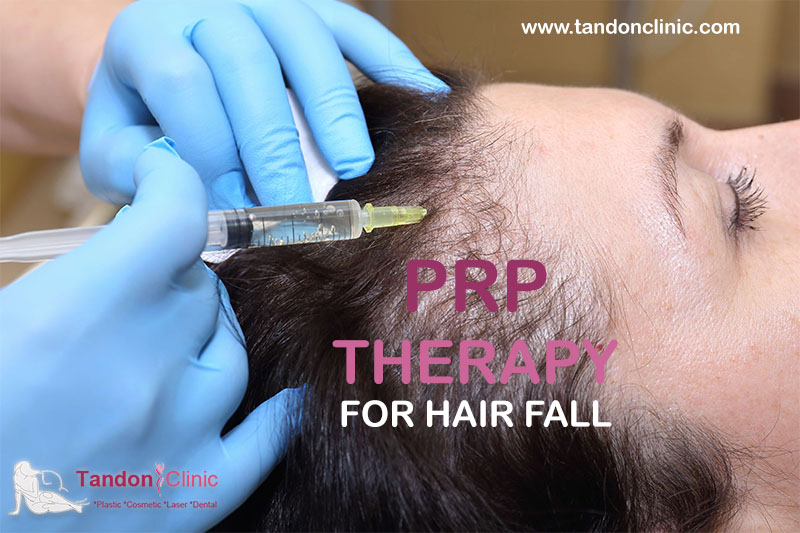
You have surely heard of PRP For Hair Loss Treatment in Delhi as one of the rejuvenating treatments with the best results. Platelet Rich Plasma is used for hair regeneration, and according to the Plastic Surgeon in Delhi, it is the treatment of the moment to stop hair loss, add more volume, strengthen it and improve its quality. We tell you what this technique consists of and how it can help your hair.

We are concerned about everything related to hair: it’s fall, weakening, its thickness loss, lack of volume, in addition to the frizz, the split ends or Gray. So, any treatment that helps us improve it interests us. And the last one is Platelet Rich Plasma, also known by its initials PRP. The Plastic Surgeon in Ashok Vihar explains that “it is one of the most widely used medical-aesthetic treatments as a complement to hair transplantation. conventional.” The PRP Treatment For Hair Loss in Delhi, manages to rehabilitate follicles that are in the aging phase, allowing them to produce hair with greater quality and resistance.

WHAT IS PLATELET RICH PLASMA?

According to Plastic Surgeon in Paschim Vihar, “it is a simple procedure, which does not cause allergies, and which provides a significant improvement in the function of the hair follicle”. The procedure, without side effects and with an approximate duration of half an hour, consists of obtaining a blood sample from the patient, preparing it to have the plasma fraction (and in it, platelets and growth factors) and reinjecting it in the form of Superficial microinjections (mesotherapy) in the dermis of the scalp to reach the roots of the hair.

According to the Plastic Surgeon in Paschim Vihar, “platelets contain abundant growth factors, substances that help regenerate hair follicles in the infiltrated area, bringing more nutrients and increasing cell proliferation.”

Injections are made with a very small gauge syringe and needle, which is why they are practically painless.

WHAT BENEFITS DOES IT HAVE FOR HAIR?

The Plastic Surgeon in Shalimar Bagh, experts in hair surgery, tells us that the main benefits of the Plasma Rich in Platelets “are bring you to the nutrients hair growth factors and stem cells (obtained from the own blood of the patient), strengthening it, and making it brighter and healthier “. The Plastic Surgeon in Shalimar Bagh points out that “we always recommend it after hair surgery, to strengthen the follicles, but there are also patients who come to apply it just to strengthen and improve the quality of their hair.” In addition, according to the expert, it is also a recommended treatment “for weakened hair, in a period of active loss or that have lost their thickness”.

The Plastic Surgeon in Shalimar Bagh affirms that “the PRP For Hair in Delhi is one of the ones that provides greater volume to the hair. It is indicated for any type of alopecia, but it is particularly effective for female alopecia, the areata, as well as for post-chemotherapy alopecia “.

Platelet Rich Plasma helps to strengthen hair, giving it more volume and slowing its fall.

HOW LONG DO YOUR BENEFITS LAST?

First, an individual assessment must be made to determine in each case the number of recommended sessions, which are usually 3-4, with a separation between them of 4-6 weeks. The benefits are not immediate, according to the Plastic Surgeon in Ashok Vihar “they begin to be noticed 15 days after the last session”.

Plastic Surgeon in Punjabi Bagh explains that “the hair follicles absorb nutrients and other components as they are needed, so their effect is prolonged, and can last up to a year later. It would be convenient to apply a reminder every year, in times of fall or if the patient suffers from other problems that can cause weakness, such as a stressful situation “.

AND AFTER THE TREATMENT…

You will be able to live a normal life immediately after the PRP For Hair Fall Treatment in Delhi, but Plastic Surgeon in Delhi advises “do not exercise, do not go to swimming pools or saunas and do not wash your head in 24 hours”. Due to the infiltration, according to Plastic Surgeon in Delhi “the area can become a little red and slightly increase the volume of the scalp, which is usually resolved in about 20-30 minutes after mesotherapy.”

Tuesday, 24 August 2021

Breast augmentation, what you have to know


Today there are many women who today decide to undergo a breast augmentation in Delhi, either to improve the appearance of their breasts, if they are small, to balance the size between them in case there is a notable difference in sizes in each one of them, to adjust them due to their reduction after pregnancy, to raise the sagging chest, to correct any deformity or to increase self-confidence.

There are several reasons women go for breast augmentation in Delhi. With this surgery, many patients manage to improve their lives, since they have been dragging complexes of breasts that are too small or unbalanced for years, something that can affect them in their day to day and, in the relationship and acceptance of their own body. What breast enlargement in Delhi can do is make a woman feel good about herself and her appearance, which will improve many aspects of her life and give her a confidence that she did not have before.

The reasons may be aesthetic, since many women improve their self-confidence after the operation, by achieving the breast size they wanted. This is why, today, this type of surgical intervention is the most demanded by women of all ages, accounting for more than 40% of plastic surgery interventions performed throughout the year, says the Cosmetic Surgeon in Pitampura.

What is breast augmentation surgery in Delhi?

Breast augmentation is also known as augmentation mammoplasty, it allows to modify the size and improve the shape of the breasts, in addition to eliminating the differences in size that may exist between both breasts and to replace the volume lost as a result of breastfeeding.

It is important to put yourself in the hands of the best Plastic Surgeon in Delhi for surgery of this type. 

breast augmentation in Delhi is a simple surgery in which the preoperative period is very important, which includes not only conducting medical tests that confirm that our patients are in an optimal state of health to perform breast augmentation surgery. Cosmetic Surgeon in Pitampura also have a conversation in which they tell us what they expect from this intervention and they show them and explain what the process and its results will be.

Breast augmentation intervention: step by step

Once the decision has been made to increase the size of the breast, to be in the hands of an expert Plastic Surgeon in Delhi and to have done the necessary tests, the day of the operation arrives.

Once anaesthesia has been performed, the plastic surgeon makes an incision in the area chosen for implantation of the breast prosthesis, the main objective of which is to minimally notice the scar.

There are different ways by which this cut can be made, always taking into account the patient’s anatomy:

  • Via periareolar, this incision is made on the lower edge of the areola, on the border between the darkest part of it and the lightest tonality of the breast.
  • Via the submammary, the approach by this route is performed through an incision of about 4 cm, in the submammary groove to access the plane where the prosthesis is to be placed.
  • Axillary route: this access is in the fold that appears in the armpit with the chest.

Once the incision is made, the plastic surgeon in Delhi inserts the prosthesis. Once in place, it is positioned correctly under the breast tissue or the pectoral muscle. Finally, the incision is closed, and a compression bandage is placed over the breasts.

Once the patient wakes up from anaesthesia, it will be the hospital team that decides if the patient is fit to be discharged.

The results are quite immediate, since the breast implants that are placed allows to obtain a breast with a natural appearance and touch.

How is the postoperative period of breast augmentation?

In general, if everything goes well, after 24 to 48 hours the patient can return to almost normal life.

Caution must be exercised since the intervened area is still inflamed and it is normal for the first days after the intervention to appear discomfort in the arms when moving them and even swelling in the chest.

Plastic Surgeon in Paschim Vihar recommends to wait a minimum of one month to return to practicing physical exercise and at least one or two weeks to return to driving.

Types of prostheses used in breast augmentation

There are different types of prostheses that are used in breast augmentation surgery in Delhi, and the choice and their subsequent placement will depend on the proportions of the woman’s body and the space in her chest to insert them.

The round prostheses have the same width at its top and bottom, while the ergonomic prostheses are not symmetrical in height and width and have a characteristic teardrop or pear. The latter are the best option if you are looking for a very natural result, explains the Plastic Surgeon in Paschim Vihar.

Breast augmentation with your own fat, alternative to implants

The Lipofilling is the alternative to breast implant in Delhi. It consists of a surgical intervention that allows to increase the patient’s chest with their own fat extracted from some excess part of the body, such as the abdomen.

The main advantage is that it is a surgery that does not usually cause any type of rejection, because it is your own fat and also does not leave a scar. This type of intervention allows to obtain a breast with a very natural result, explains the Plastic Surgeon in Shalimar Bagh.

Wednesday, 4 August 2021

Types of scars and their treatment


Healing is a physiological process that occurs in the skin after a wound of any origin (surgical, accidental trauma, burns, post-inflammatory as in acne). Unfortunately, the resulting scars in many cases are not as aesthetic as we would like or can even be associated with discomfort or symptoms (itching, pain, difficulty in mobilizing a specific area). For all these cases of pathological or unaesthetic scars, there are different treatments or combinations of these that can help us to improve and hide them, explains the Plastic Surgeon in Delhi

Correct treatment of a scar

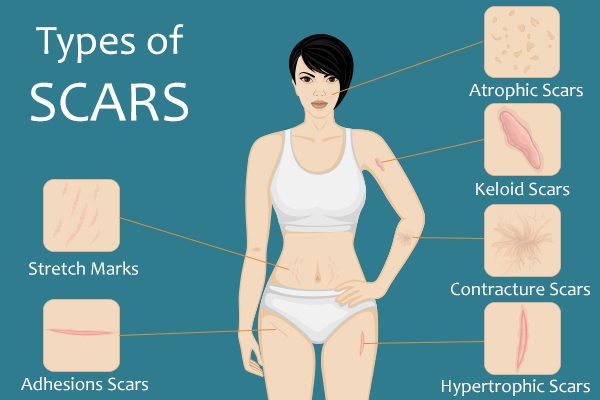
The main thing to choose the correct treatment for a scar removal in Shalimar Bagh is to carry out an accurate dermatological diagnosis to determine what are the problems present. Sometimes we will have scars with a significant vascular problem, which are usually those that are very red, with a large amount of vascularization. Other times the problem has more to do with the volume of the scar, either because it is very thickened (hypertrophic) or because it is depressed (atrophic).

This diagnosis for scar removal in Shalimar Bagh will be made through physical examination and will sometimes require imaging tests such as dermoscopy or ultrasound, among others. Once the problems present in the scar have been determined, it is when you can choose the best combination of treatments for the case. It should be noted that the early treatment of scars, in the first weeks or months after their production, is the one that will achieve the best results, explains the Plastic Surgeon in Shalimar Bagh.

Common types of scars and their treatment

Here are some common types of scars and their possible treatments:

Acne scars

Acne scars are usually depressed, atrophic scars that appear on the face on the cheek, forehead, or chin. In some cases, they can also associate reddish coloration.

The best results are obtained with treatments aimed at filling in that lack of collagen present in the scars and releasing the fibrosis that these scars have in their lower part. For this, combinations of surgical techniques such as subcision (superficial cut below the scar) and fractional remodeling lasers (ablative, such as CO2 or Erbium; or non-ablative, such as Fraxel®) are usually used. To achieve better results, these techniques can also be combined with the administration of Platelet Rich Plasma injected into the treated areas, as it will help a faster recovery and enhance the effects of the other techniques, says the Plastic Surgeon in Paschim Vihar.

Surgical scars

The results of surgical scars can be very varied depending on the area in which the surgery has been performed, post-surgical care and the patient’s age, among others. One of the problems that we see most in surgical scars is excess vascularization that manifests as very red scars. In order to eliminate this staining, the best results are obtained with vascular lasers (pulsed dye laser and Neodymium laser) or intense pulsed light, says the Plastic Surgeon in Punjabi Bagh.

Keloid scars

Keloid scars are a special type of pathological scar that can appear associated with different origin: surgery, mainly back acne, accidental wounds or even appear spontaneously. These are very thickened scars, which grow progressively and even exceed the edges of the initial wound. The best results to slow its growth are obtained by combining vascular lasers, remodeling lasers and corticosteroid injections. Sometimes they may require other techniques such as surgical excision, cryotherapy or even radiation therapy, explains the Plastic Surgeon in Ashok Vihar.

Burn scars

Burn scars have special characteristics that require different treatment combinations. It is very common for these scars to have symptoms such as itching or pain, or even limit the mobility of the area they affect. The best results to achieve normalization of the skin are obtained with ablative fractional lasers (such as the fractionated CO2 laser) that activate a remodeling in the skin and help to release fibrosis in cases where the scar makes it difficult to move in an area. In some cases these lasers will be associated with other surgical techniques such as plasties or grafts, explains the Plastic Surgeon in Paschim Vihar.

Some areas heal well and others poorly

Sometimes many patients want to remove a mole or other lesion and ask us if they will have a scar. It is important to know that there are areas of the skin that have little tension, such as the face, so the scars are usually fine and tend to disappear. However, other areas have more tension, such as the back, chest, or shoulders, and if we perform an excision or have a wound in this area, the scar is usually more noticeable. So, check with your Plastic Surgeon in Shalimar Bagh about the chances that the scar from an excision will become large or even turn into a keloid.

In short, if you have a scar, treat it as soon as possible. It is important to classify the scar as atrophic, hypertrophic or keloid in order to establish the most appropriate treatment.

The key to scar removal in Shalimar Bagh is to combine techniques such as laser, drug injections, cryotherapy or botox. Unfortunately, creams are not very effective. The silicone sheets are useful to flatten the scar.

Therefore, if you have an unsightly scar, go to your plastic surgeon in Delhi, who can surely help you.